

This is Iowa?! Backpacking the Beautiful Yellow River State Forest
Nearly three years ago, I made my first trip to Yellow River State Forest and came away convinced it was one of the most beautiful places in Iowa. I even called it the "Smoky Mountains of Iowa" because the steep ridges, deep valleys, trout streams, and scenic overlooks felt completely different from what most people picture when they think of the hawkeye state.
Read More: What is the Most Beautiful Place in Iowa?
What surprised me more than anything was not just the scenery itself, but how often I thought about it afterward. For nearly three years, Yellow River kept coming up in conversations whenever someone asked about hidden gems in Iowa or my favorite places to visit. It kept showing up every time I went through my photos, all from that first visit. It's one of those places that never really left my mind. Recently, my wife and I finally decided it was time to go back.
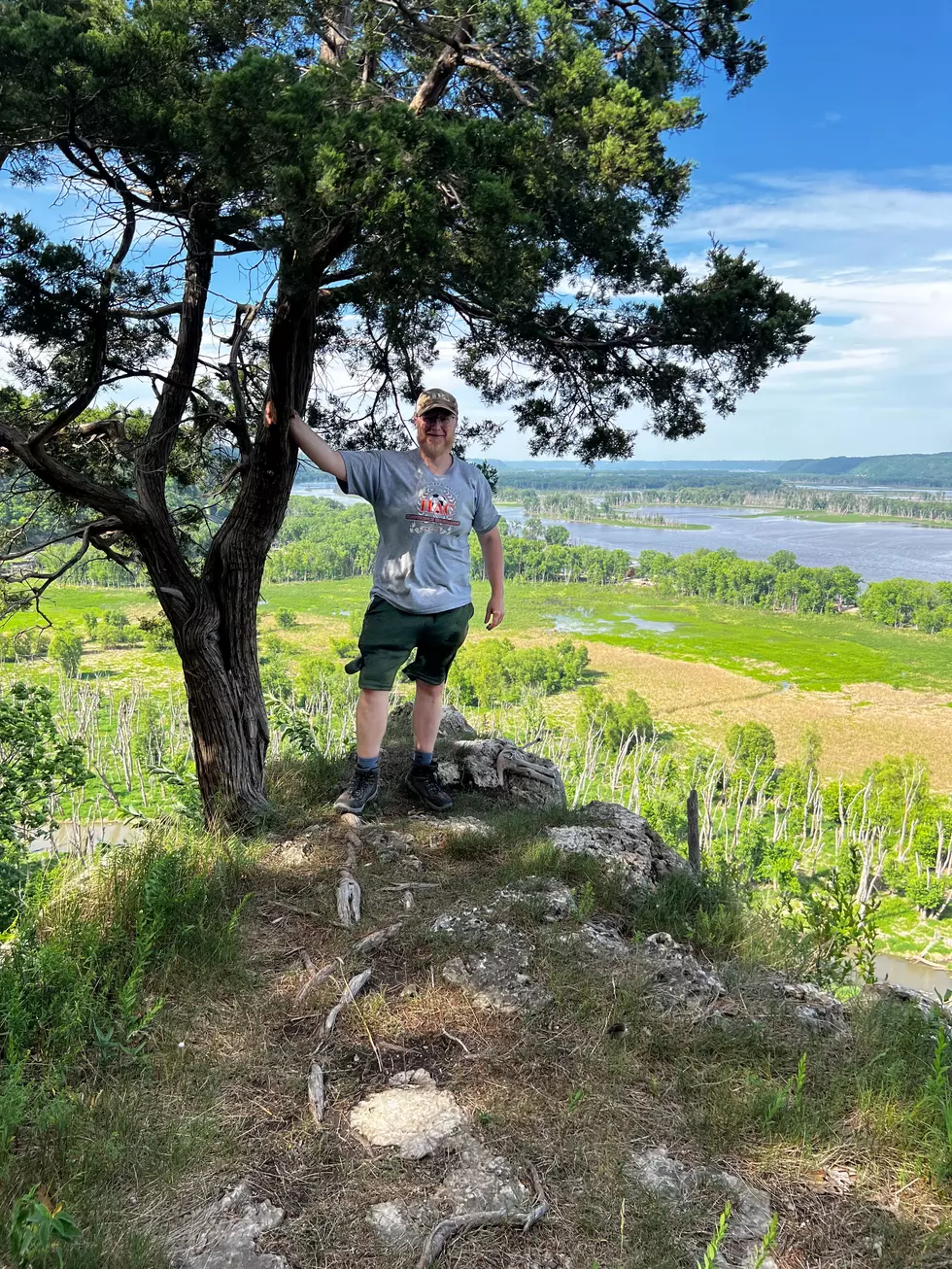
This time, we wanted something different than a quick stop at overlooks or a few day-hikes while camping. We loaded up our newly acquired backpacks with three days of food, gear, and grit, and set out to hike the Backpackers Loop at Yellow River State Forest. The loop itself covers about 14.3 miles, but we added extra miles along the way (and cut one section out to grab some water), including a 2.3-mile detour to the Fire Tower and Cedar Point Overlook and another 3 miles at the Luster Heights Unit before heading home.
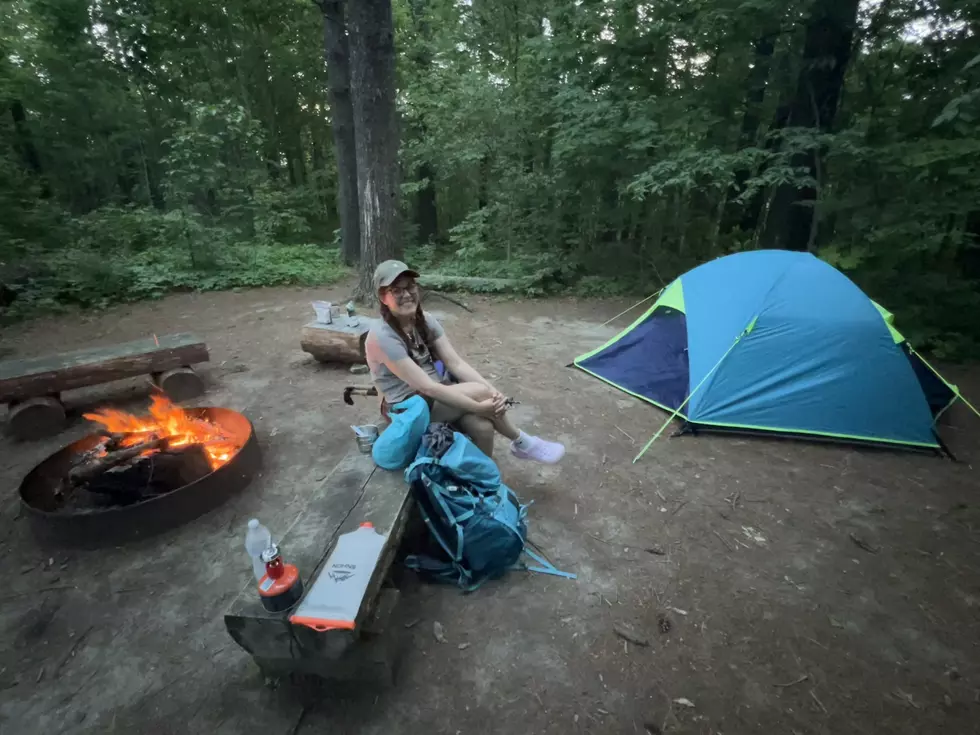
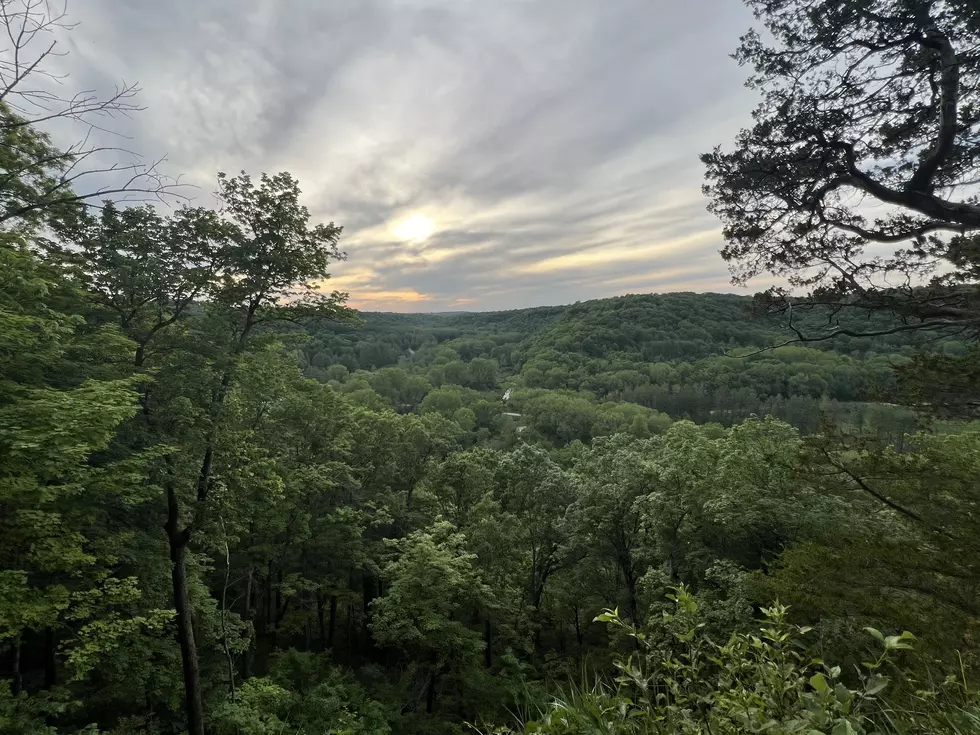
Our first destination was Camp John Schultz, about 2.6 miles in from the parking area on Donahue Road. The hike in was short enough that we were able to settle into camp without rushing, which made the transition from trail to evening feel easy and relaxed. Before dark hit, we made an extra hike out to the Fire Tower and Cedar Point Overlook like we had done three years ago by vehicle. The views were every bit as impressive as I remembered. Looking out over the Driftless Area, it is still hard to believe you are standing in Iowa. We settled in and the evening started with a walk to the open prairie nearby. The field was covered in twinkling fireflies and bats at dusk, not to mention the two ticks we managed to pull off, and pluck into our fire at camp, before they had latched on.
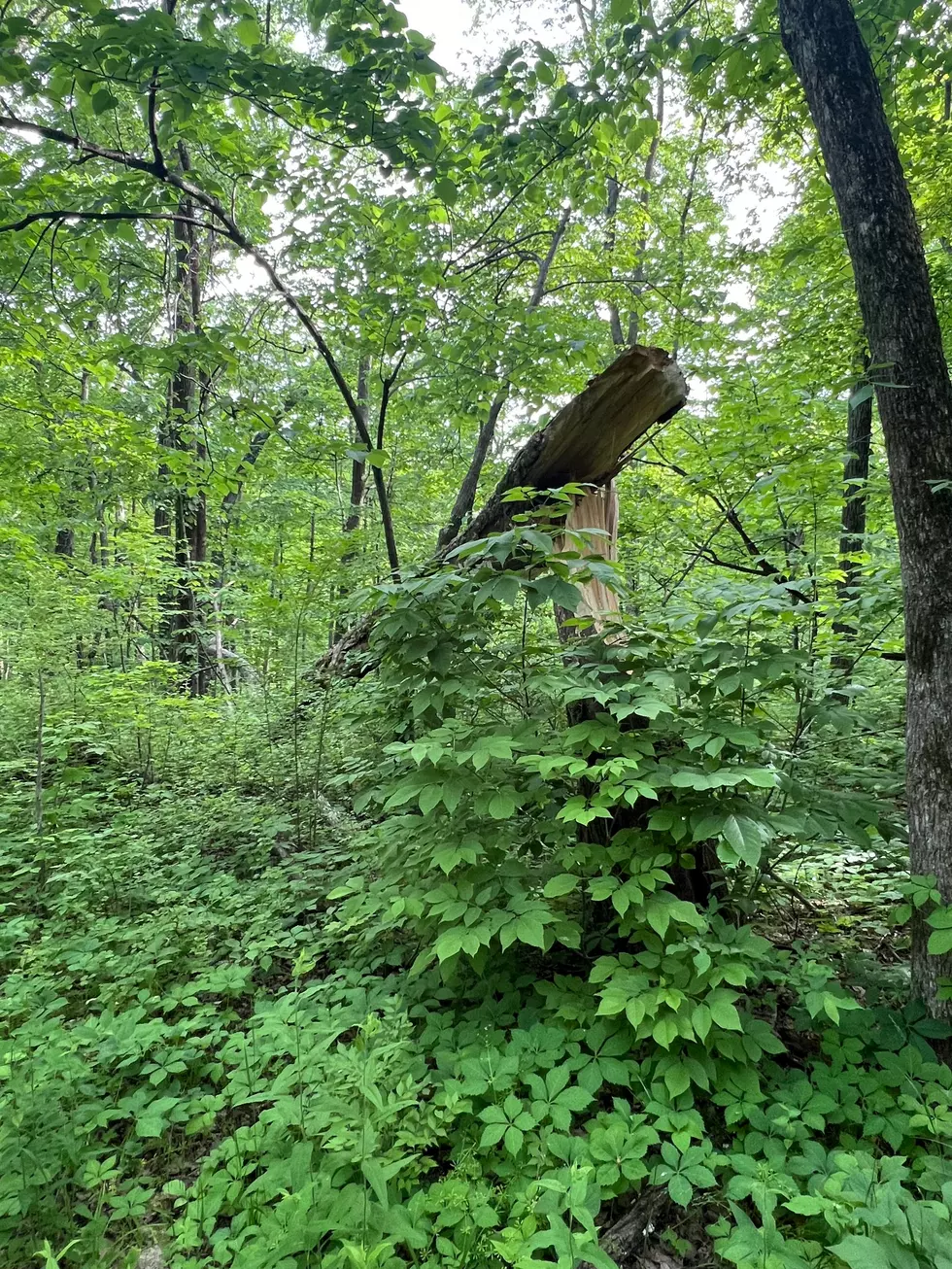
That night, the forest reminded us that it is never truly quiet. Not long after crawling into our tent, we started hearing crashing noises in the timber around camp. These were not normal nighttime woods sounds. Branches snapped, something moved with force through the trees, and at one point it sounded like a rotting tree finally gave way and came crashing down. Now I have spent many years camping, and I have never heard noises quite like that before.

Maybe it was a deer moving through the forest. Maybe it was something else. Iowa has seen more black bear sightings in recent years, and while I never saw anything, I will admit my mind went there more than once as my wife and I laid awake listening to the woods around us.
The next morning brought clear skies and our biggest challenge of the trip.
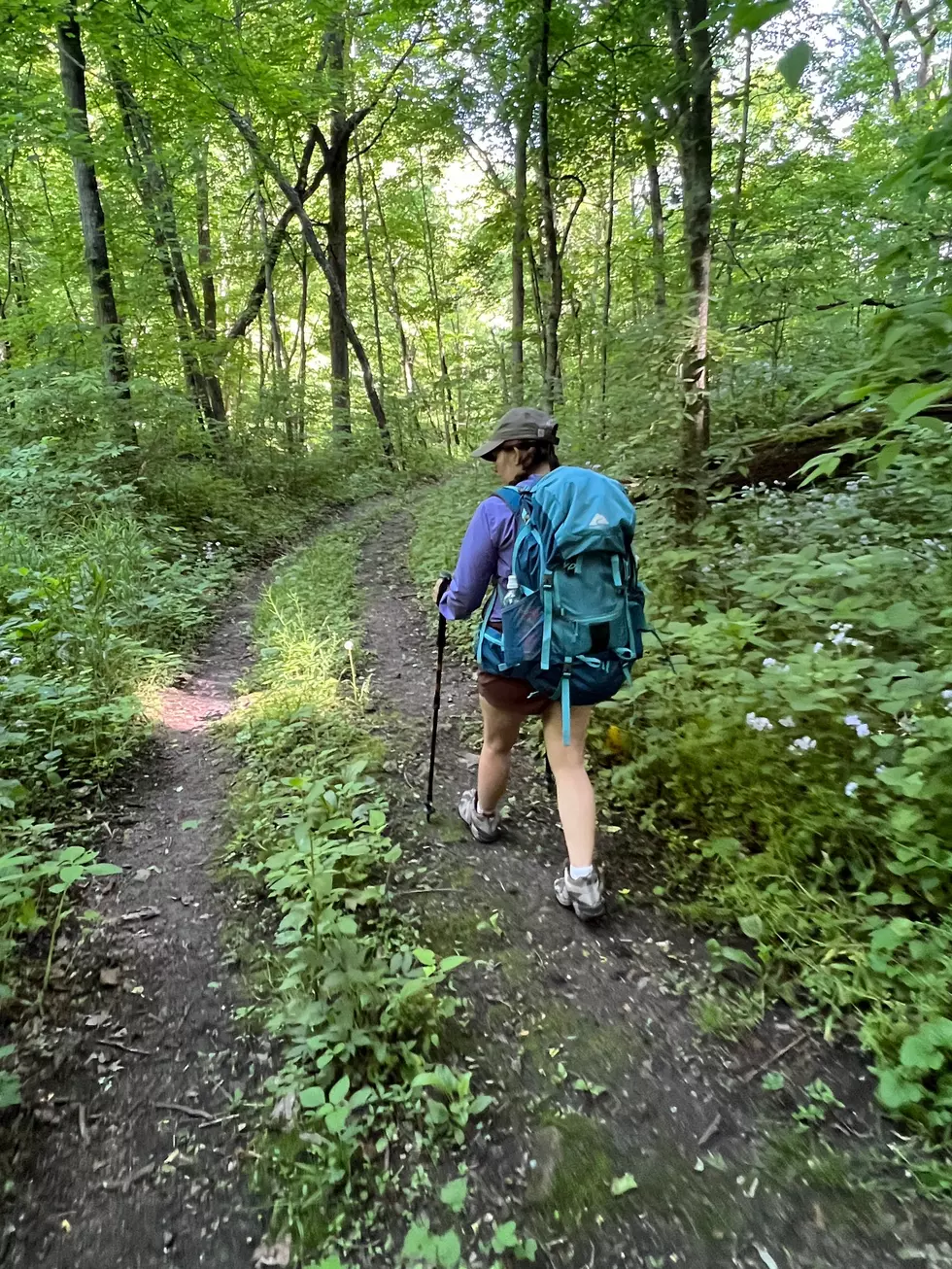
Day two covered roughly ten miles as we left Camp John Schultz, made our way down toward headquarters for water, and then reconnected with the Backpackers Loop via the Bluff Trail before continuing on to Heffern's Hill Camp. What makes Yellow River so interesting is how quickly the terrain adds up. You are constantly climbing or descending, and even though the elevation doesn't look dramatic on a map, it becomes very real when you are carrying everything you need on your back. By the end of the day, we had climbed roughly 1,200 feet in elevation. For Iowa, that is no joke.
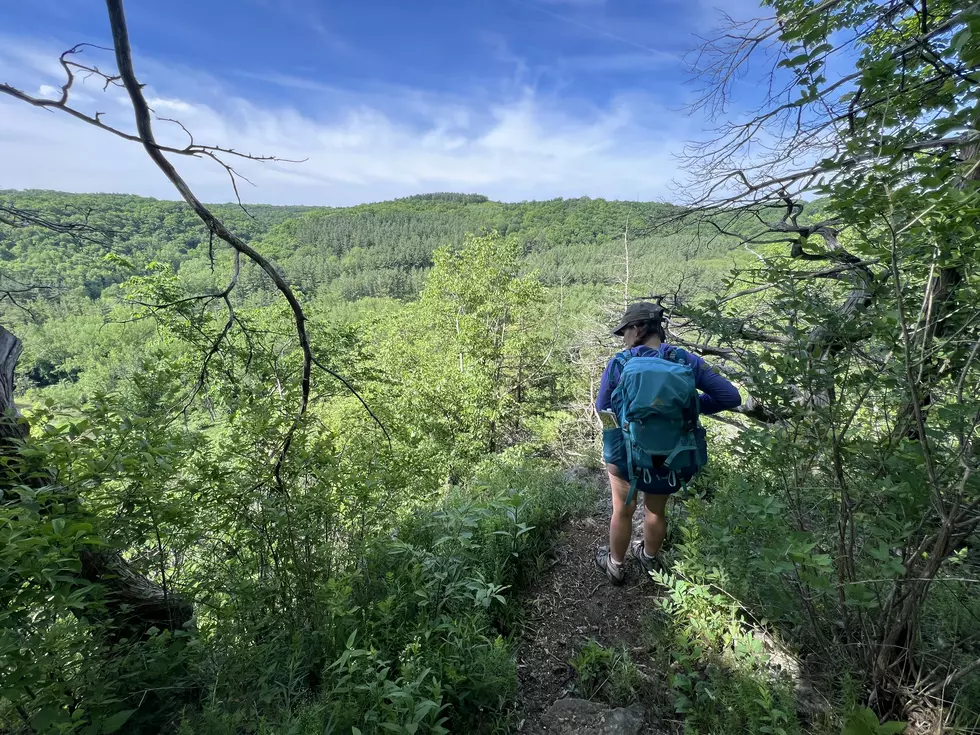
One of the reasons many hikers use this area as a training ground for larger backpacking trips is exactly that. It teaches you what it feels like to manage distance, elevation, water, and fatigue in a setting that is close to home but still demanding enough to matter. It's just one of the reason's I called it similar to the Smoky Mountains.
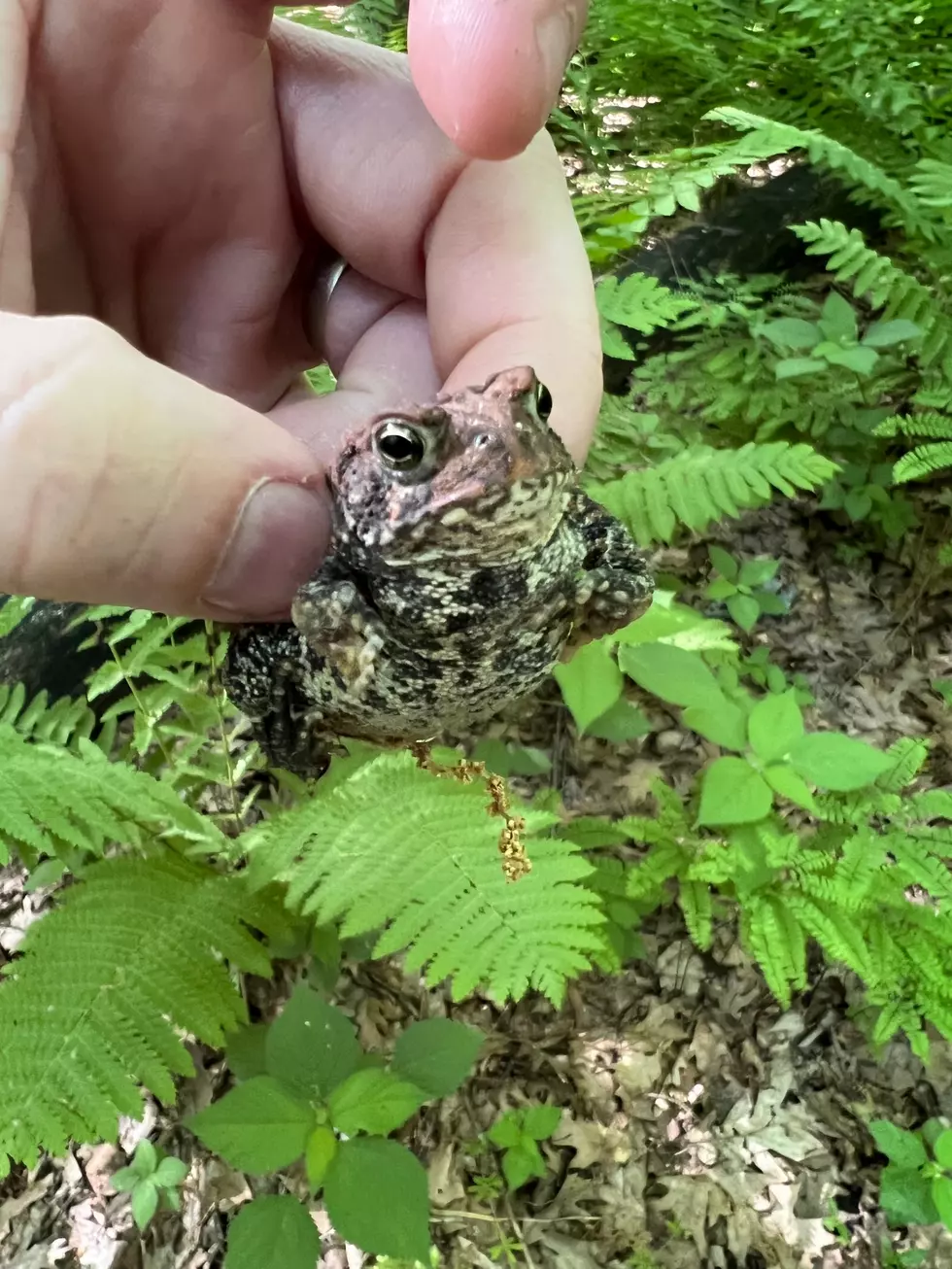
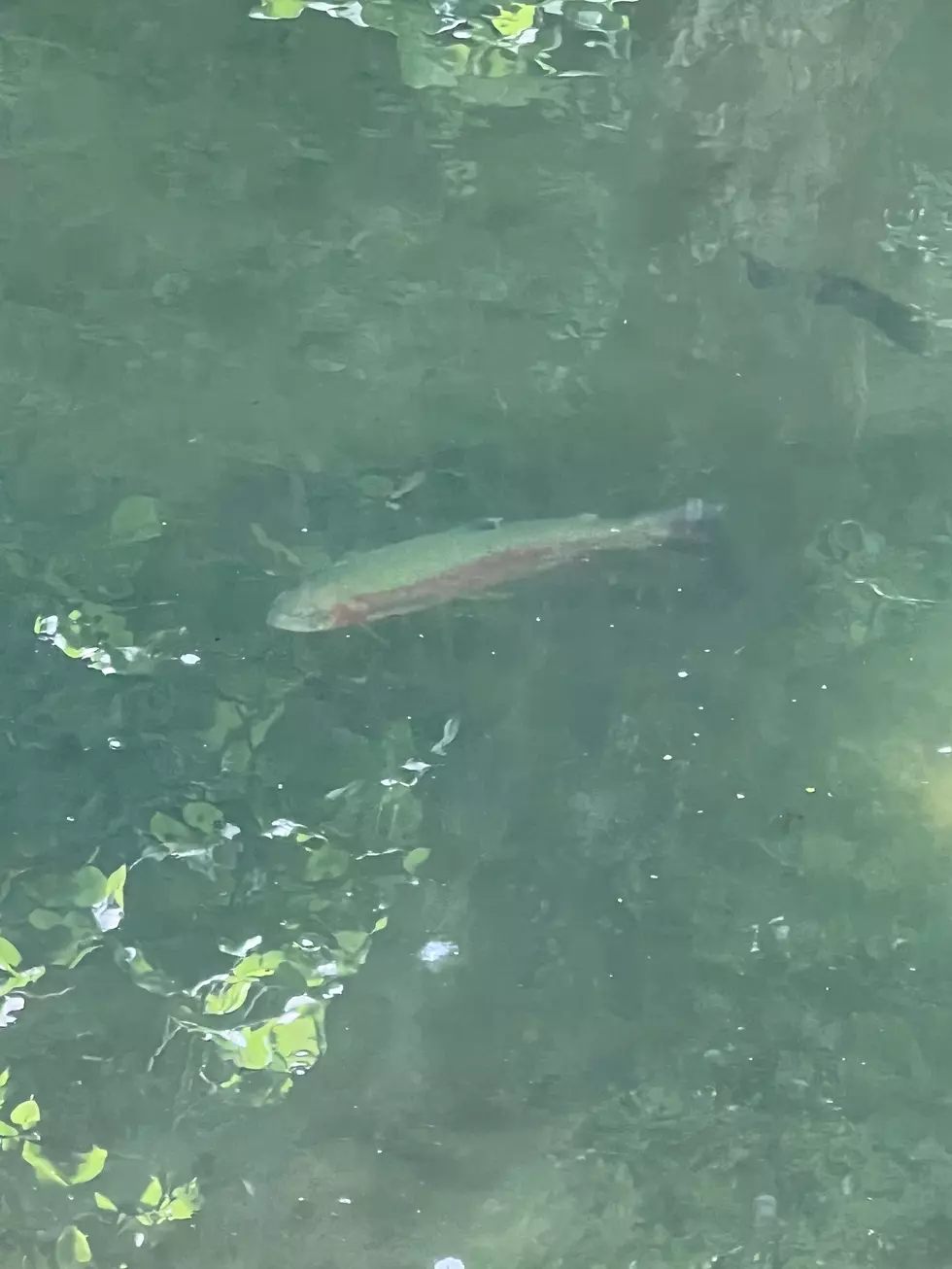
Along the way, the wildlife was constant. We saw foxes, deer, raccoons, opossums, turtles, snakes, toads, trout, squirrels, and more birds than we could count. The forest felt alive in a way that made every bend in the trail feel different from the last.

However, the mosquitoes, no-see-ums, and gnats were in a category all their own.
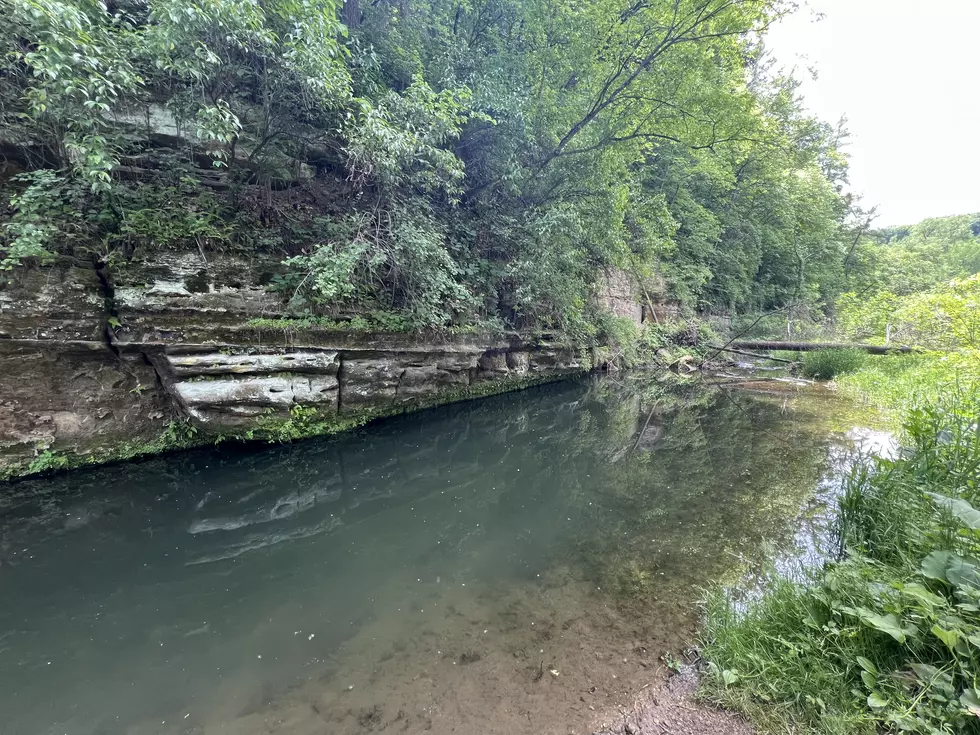
Anywhere water collected or springs spilled down the bluffs, they were thick in the air. By the end of the trip, my wife and I looked like pin cushions. It's one of those experiences where the discomfort is very real in the moment but somehow becomes very little of what you remember about the trip.
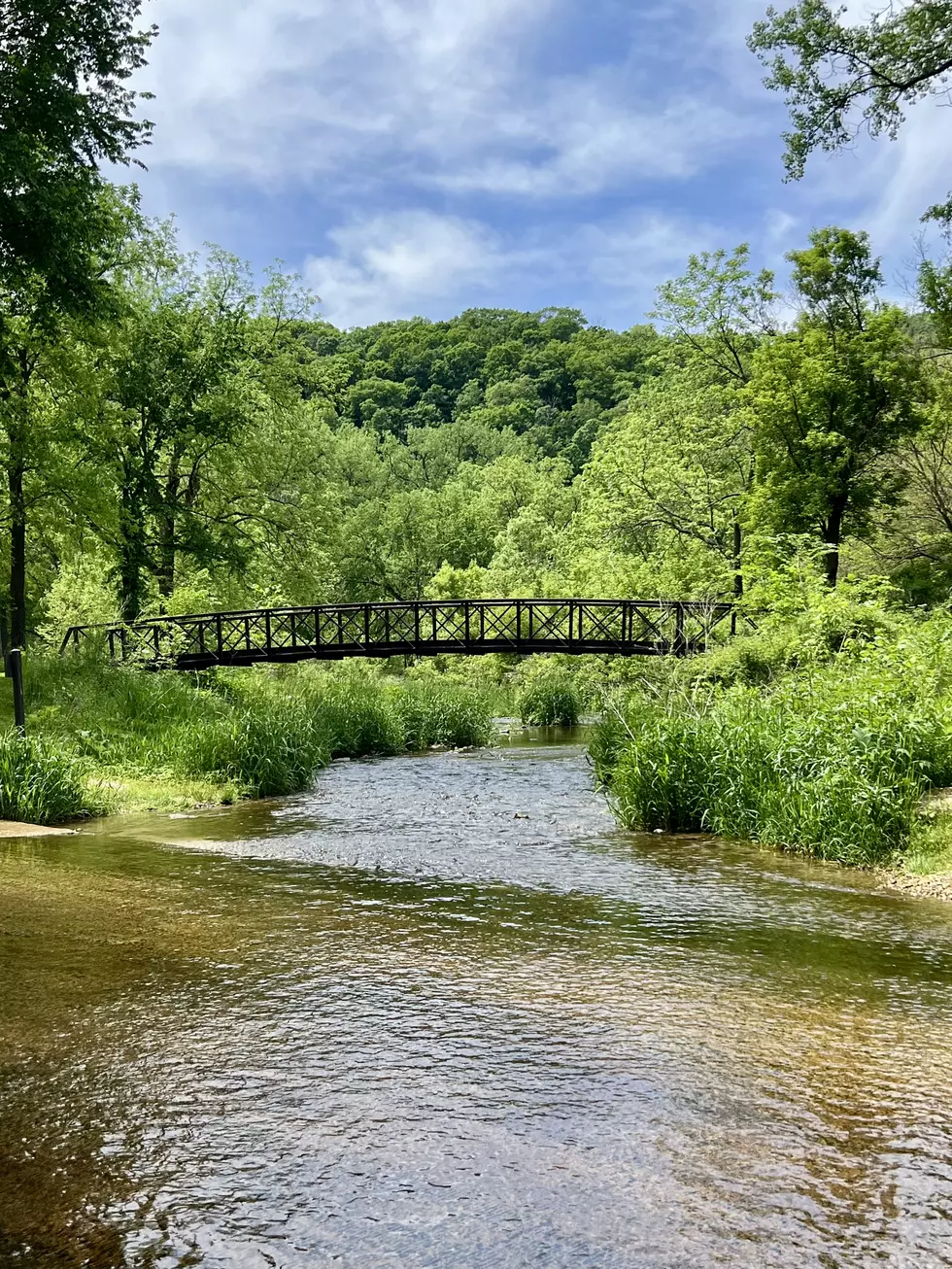
Well, we made it the over 10 miles around the park to setup shop at Heffern's Hill camp for the evening. We even grabbed a quick nap before supper.
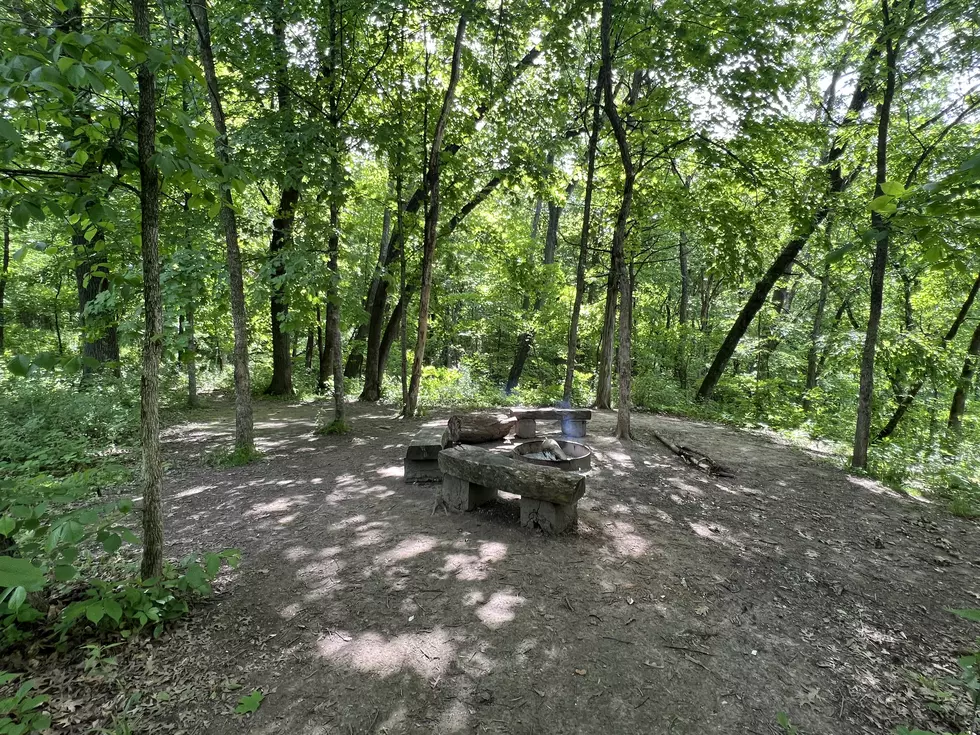
That second night brought one more reminder of how active the forest really is.
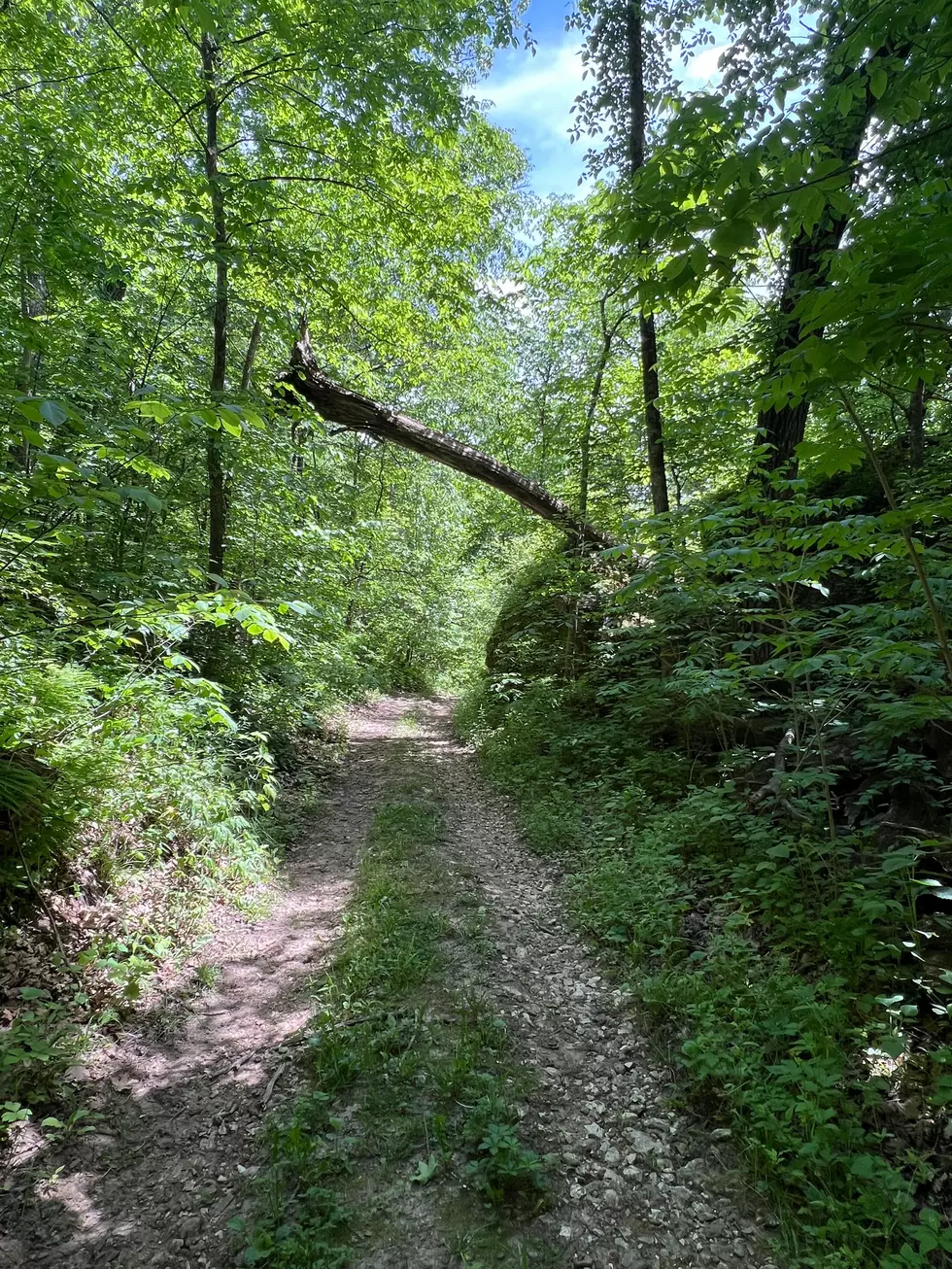
Sometime after dark, we heard a large tree come crashing down in the distance. Not a sapling or small branch, but a full tree falling somewhere nearby in the woods. As we hiked the loop, we also noticed plenty of blowdowns along the trail, many of them weakened by carpenter ants and marked by woodpecker activity. It was a clear reminder that the forest is always changing, even when you are standing still in it. And yes, a falling tree certainly makes a bunch of noise in the forest, even if you're not there to see it.
The final morning was a welcome change of pace.

The last 1.8 miles back to our vehicle felt easy compared to what we had just completed. From there, we shifted into a slower rhythm and started exploring the overlooks by car. Larkin Overlook remains my favorite view in the entire state forest. If you only stop at one place in Yellow River, that is the one I would choose.
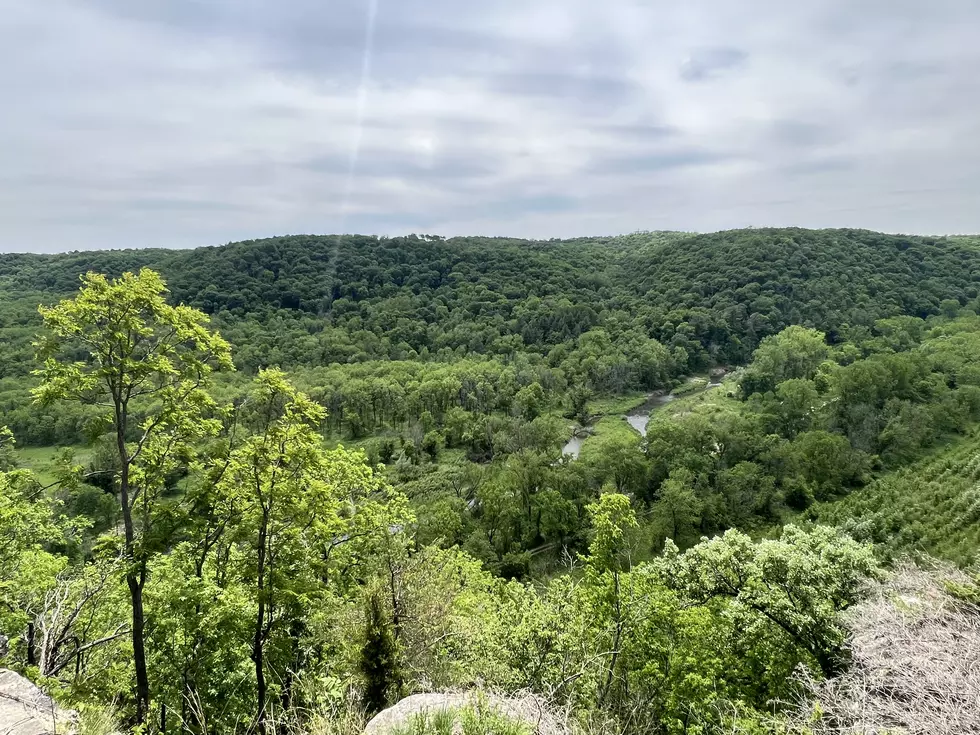
We also visited the Luster Heights Unit, where both the North and South Overlooks offer sweeping views of the surrounding landscape. The North Overlook stood out as the clear favorite this time. On a previous visit, the access trail had been nearly swallowed by weeds, but this time it opened up into one of the best views in northeast Iowa.
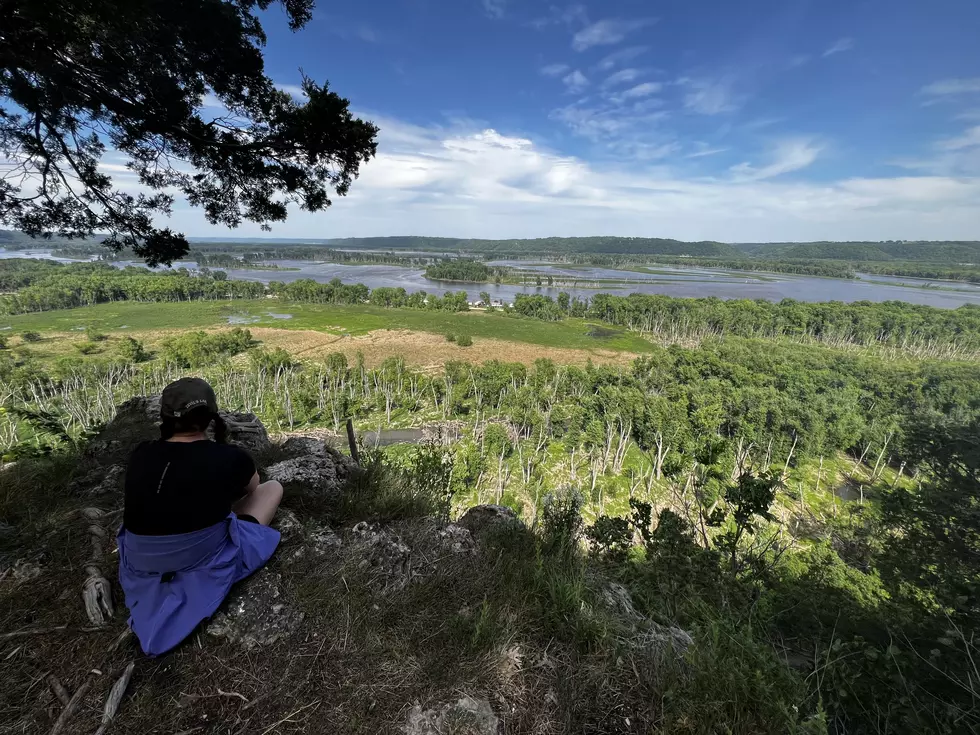
Luster Heights also carries an interesting piece of history. The area once served as a prison camp, and inmates helped construct and maintain many of the trails that are still in use today. It's one of those details most people never realize as they enjoy the trails and overlooks.
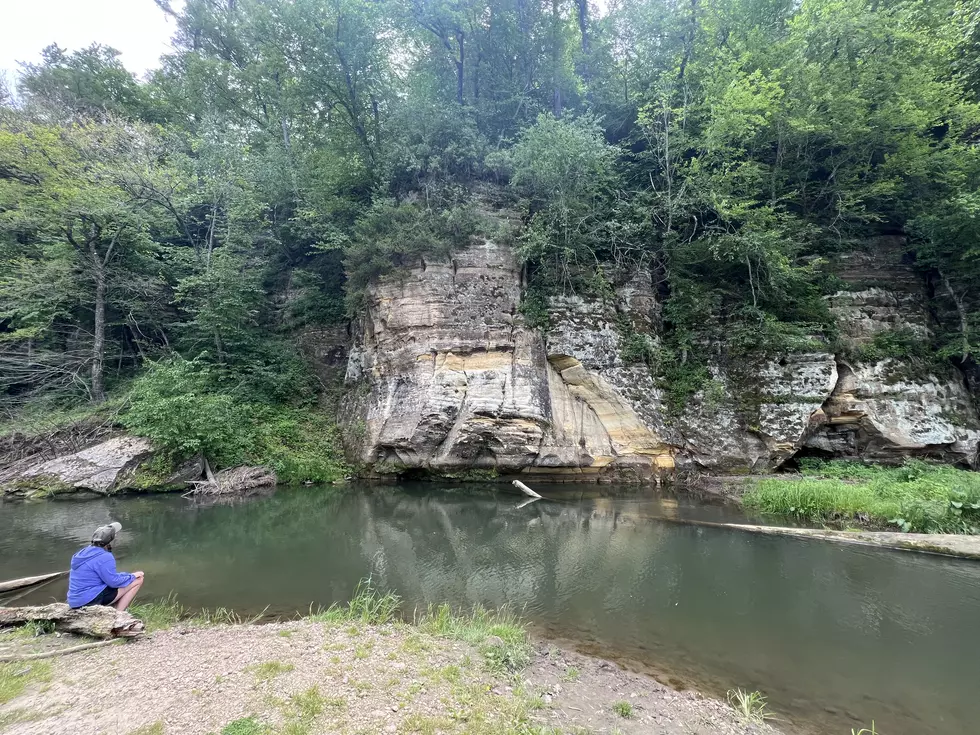
One thing I appreciate about Yellow River is that it has been intentionally kept from overdevelopment. You will not find bright lights or heavy infrastructure here. That choice helps preserve the natural feel of the forest, protects wildlife habitat, and keeps the cold-water trout streams in the condition that makes this area so unique.
By the end of the trip, my shoulders were sore and my legs were tired, but in a good way. Carrying everything you need on your back for multiple days changes how you look at distance, effort, and even comfort. It also makes you realize what you are capable of when you commit to it.
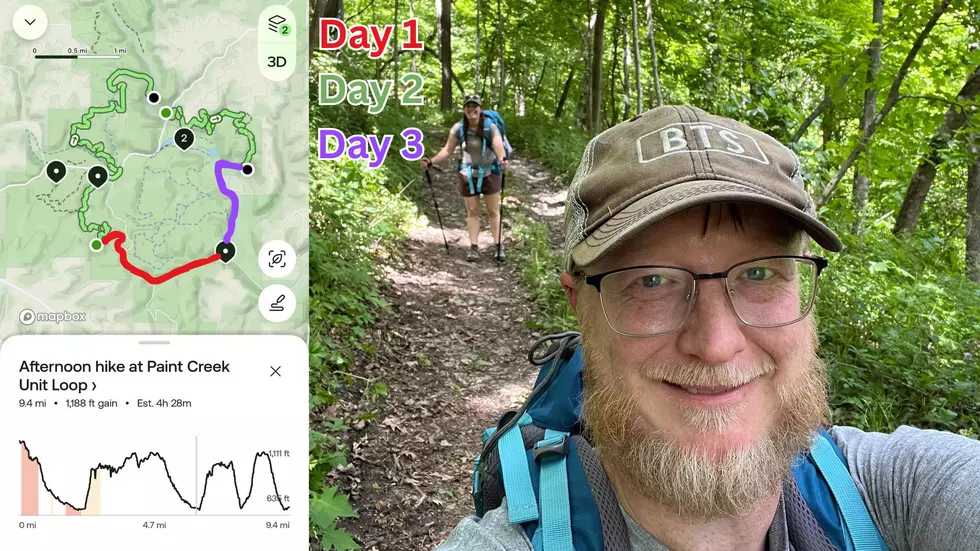
What stayed with me most, though, was not the mileage or the elevation. It was the realization that I had never really wanted to do something like this before, even though I was clearly capable of it. Most of all, I am glad I got to share the experience with my best friend. Mosquito bites, mystery noises in the woods, sore muscles, and all.
Nearly three years after my first visit, Yellow River State Forest managed to leave an even deeper impression than it did the first time. Take a look through the gallery below and see why it keeps pulling me back.
Tom Drake Returns to Backpack Iowa's Yellow River State Forest
Gallery Credit: Tom Drake
Check out my first visit to Yellow River State Forest below:
Photos: Northeast Iowa's Yellow River State Forest
Gallery Credit: Tom Ehlers
Photos: Effigy Mounds National Monument - Harpers Ferry
Gallery Credit: Tom Ehlers
More From 94.1 KRNA


