
Iowa Cities Rethinking Street Rules and Fines as E-Bikes and Scooters Spread
A recent Waukee proposal to hold parents responsible when children play in streets or alleys has sparked a debate that reaches well beyond the Des Moines suburb. The city is considering an update to an existing ordinance that would allow officials to cite a parent or caretaker if a child continues playing in a street or alley after receiving a warning from law enforcement or city official. If passed, the offense would become a simple misdemeanor, carrying the standard Iowa fine range of $105 to $855.

The controversy makes the proposal sound like Waukee is trying to outlaw a familiar part of childhood. In reality, Iowa communities have long had ordinances restricting games and recreational activities in public streets. Dubuque, Ankeny, Pella, Dyersville and numerous smaller Iowa communities have provisions that prohibit or restrict playing in streets and alleys. Many of those ordinances trace their authority to Iowa Code Section 364.12, which allows cities to regulate the use of streets and public ways.
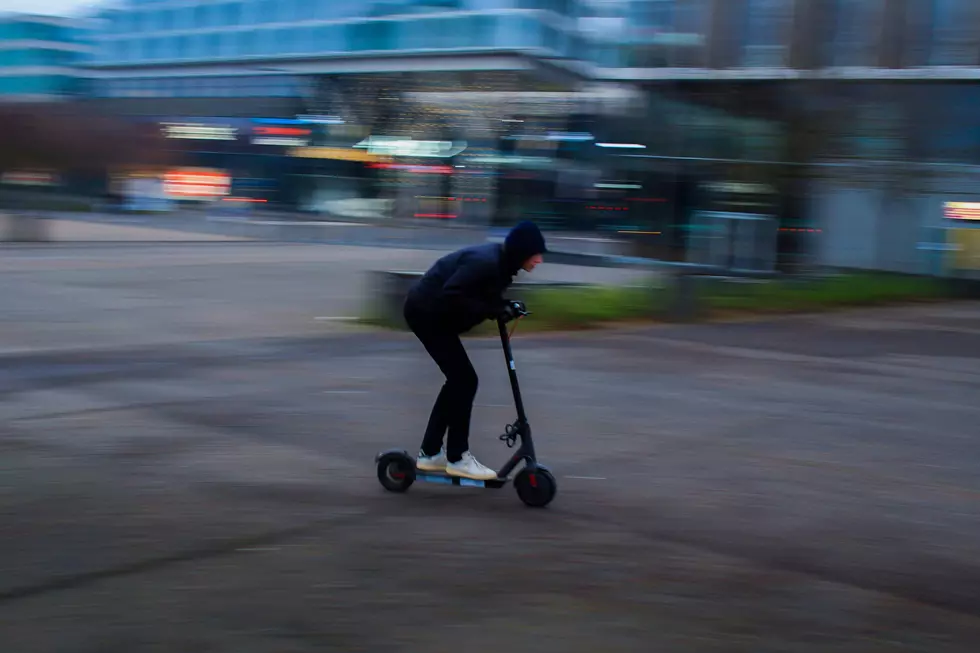
What makes Waukee's proposal different is the emphasis on parental responsibility. That approach also has a recent Iowa parallel. Norwalk considered an ordinance this summer that would allow parents to be cited when children violate local rules governing electric bicycles and scooters. The proposed rules would require riders to be at least 12, restrict the devices from streets with speed limits above 25 mph and allow fines against parents who fail to supervise riders under 14. The proposed penalties range from $50 for a first offense to $150 when a violation involving a child results in an injury. These scooters and e-bikes actually seem to be the main culprit of these updated city ordinances.
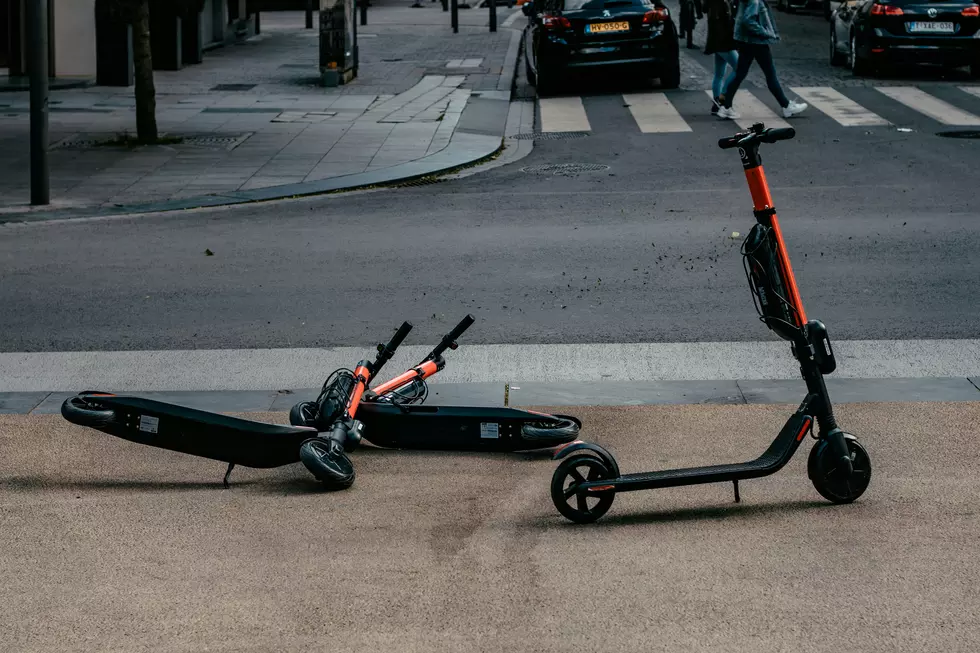
Iowa communities are struggling to keep pace with a growing concern for their roadway safety. It's been caused by a rapidly changing mix of bicycles, electric scooters, e-bikes, e-motos, golf carts, and off-road vehicles to the roadways. Ankeny updated its rules this year to clarify where electric scooters, e-bikes and e-motos can operate. Newton also rewrote its rules for electric bicycles and scooters, while Clive joined other Des Moines-area communities considering new regulations. Police in Clive have reported more crashes involving e-bikes, adding urgency to the debate across Iowa.
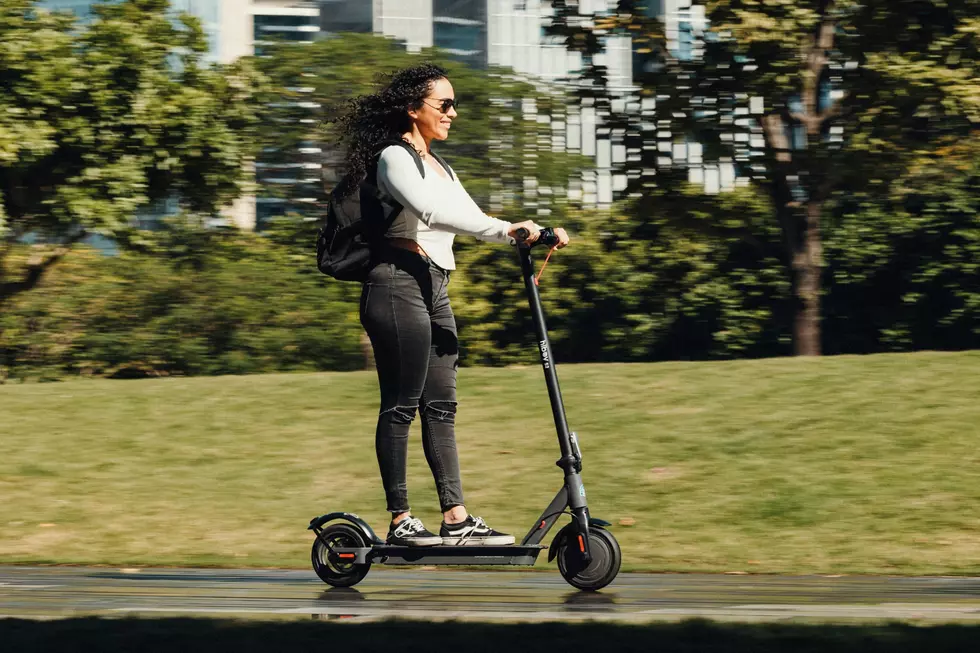
This issue is not limited to larger cities. In my town of Cascade, children and teenagers increasingly use electric scooters and other small electric devices around town. Those devices can move considerable fast when compared to traditional scooters and bikes. Additionally, their small size can make them difficult for drivers to see. A cracked roadway, loose gravel, or an unexpected maneuver can also turn a routine ride into a crash, which my family has wittnessed on occasion. At the same time, Cascade permits certain ATVs, UTVs and golf carts on city streets under local rules that establish age, equipment, insurance and roadway restrictions. The city's golf-cart ordinance, for example, requires operators to be at least 18, hold a driver's license and obtain a city permit. Cascade also prohibits people under 18 from operating golf carts, ATVs or UTVs within the city.
That creates an interesting contradiction in communities across Iowa. Local governments increasingly allow certain recreational or utility vehicles to share roads with cars, but those vehicles do not provide the same protection as a passenger vehicle. Cascade's rules recognize that difference by requiring safety equipment such as brakes, lights, mirrors, and seat belts for UTVs. Iowa law also requires properly equipped ATVs and UTVs operating on public roads to meet equipment, registration, and insurance requirements.
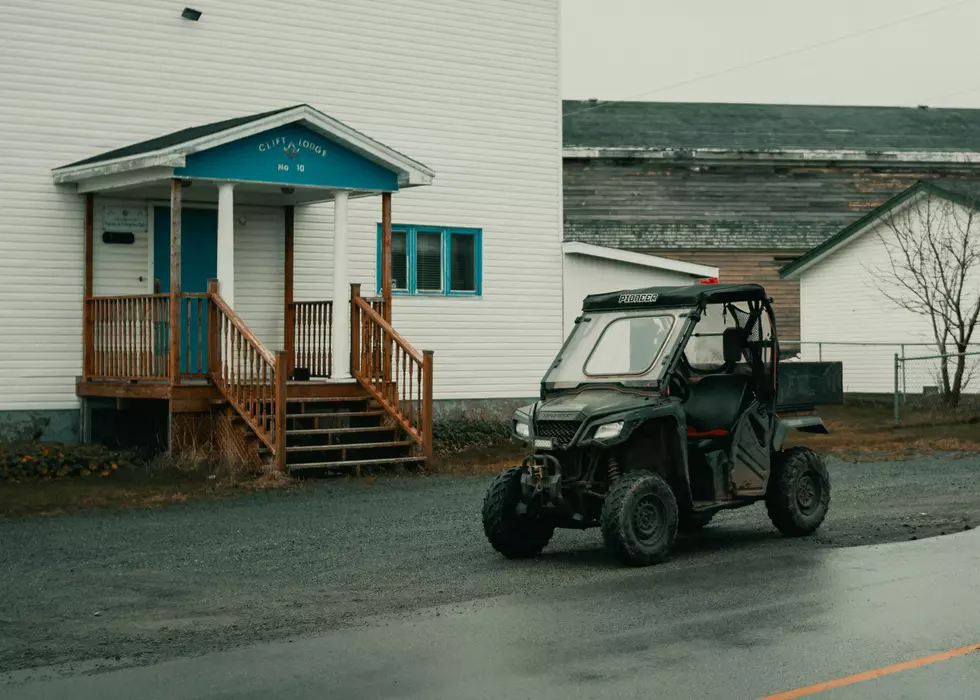
The Iowa Department of Transportation warns that these vehicles remain primarily off-highway vehicles and stresses appropriate safety gear, training, and supervision. So now the emerging question is whether cities will shift enforcement toward parents as children gain access to faster and more capable electric devices, or if they go back to prohibiting all non-highway capable vehicles from local roads in a broad swipe.
Waukee and Norwalk provide two early examples of the first approach. One addresses children playing in streets generally, while the other focuses specifically on e-bikes and scooters. Other cities are responding by defining where electric devices can travel, establishing age requirements and restricting higher-powered models from sidewalks, trails, or residential areas. The growing number of local ordinances suggests Iowa communities are moving toward more specific rules rather than relying solely on traditional traffic laws.
Whether parental fines become common will likely depend on how these ordinances work in practice. Cities may find that targeted rules, education, and warnings address most problems. However, if crashes, reckless riding, and repeated violations continue to rise, more communities could decide that putting the parents' wallet at risk is a better way to enforce safety than regulating every new type of electric device or scooter.
For Iowa's smaller towns, that debate could become especially important. Streets often serve multiple purposes in communities where children live close to schools, parks, and businesses. They carry not only carry cars and trucks, but UTVs, golf carts, bicycles, and the increasingly faster electric scooters, even in my small community. The challenge for city councils will be finding rules that recognize the traditional role streets play in small-town life while acknowledging that today's road includes both users and devices that did not exist and were previously "not allowed" when many of these ordinances were first created.
MORE: See 30 toys that every '90s kid wanted
See the Must-Drive Roads in Every State
Gallery Credit: Sarah Jones

