
Ever Picked Out a Nasty Watermelon? Here’s How to Fix That!
The first job I ever held was at Fareway in Monticello. I pretty much learned and did it all there: stocking shelves, bagging groceries, carrying them out, unloading trucks, and even working in the freezer, dairy, and produce coolers. During my time there, I consistently enjoyed... inconsistent watermelons.

Now, what does that mean exactly? Sometimes I'd cut into a melon that was sweet, juicy, and just about perfect. Other times, I'd get one that tasted more like crunchy, tangy water; very underripe. And every now and then I'd end up with a mushy, grainy mess that could only be saved by tossing it in a blender with a little sugar and sticking it in the freezer.
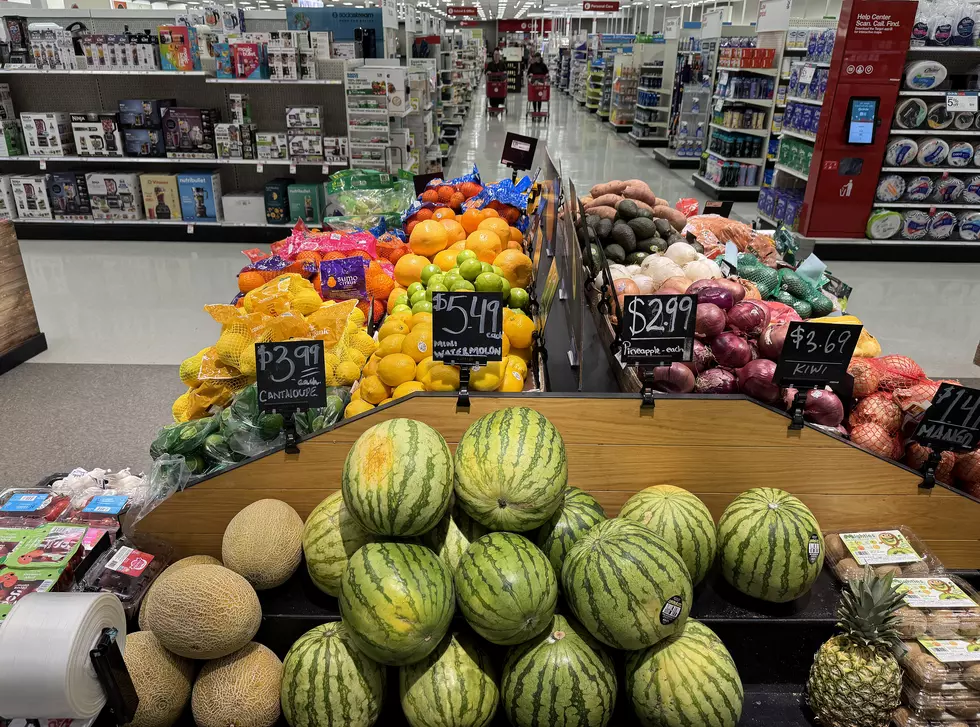
Since moving on to other careers, I've held onto one thing from those grocery store days: how to dramatically improve my odds of bringing home a good watermelon. Are these tips foolproof? Nope. But they're backed by everything from university research and commercial growers to seasoned farmers and a few old wives' tales that have earned a little respect over the years.
So, before you load up for your next cookout, family gathering, or just because it's sooo dang hot outside, here's how to pick the best watermelon (hopefully). I'm starting with the least proven methods and ending with the ones that actually have the science on their side. Let's get started.
6. The Two-Finger Rule
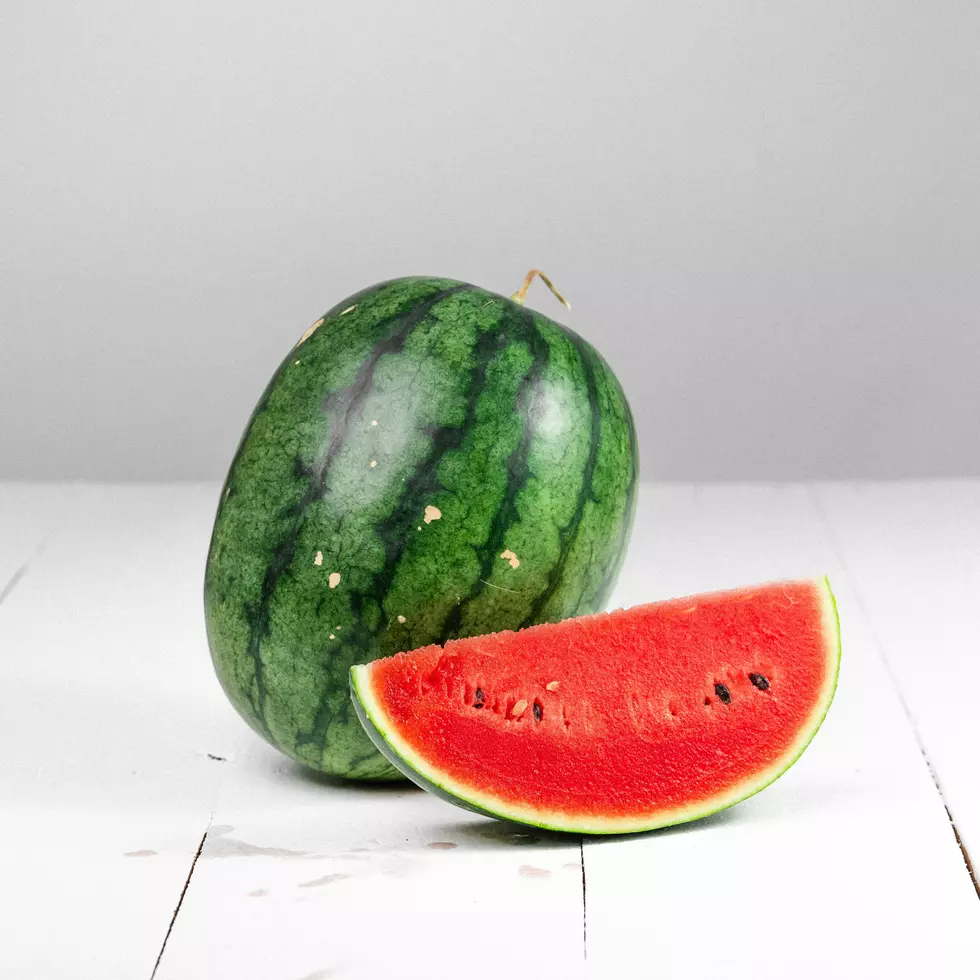
This is one of the newest "tricks" making the rounds online, although it's really not new. The idea is simple: look at the dark green stripes on the watermelon. If they're about two fingers wide, the melon supposedly had enough room to mature properly and should be ripe. Narrower stripes? Maybe it was picked a little early. It's an interesting theory, and plenty of people swear by it. Some growers even say they've noticed the same thing over the years.
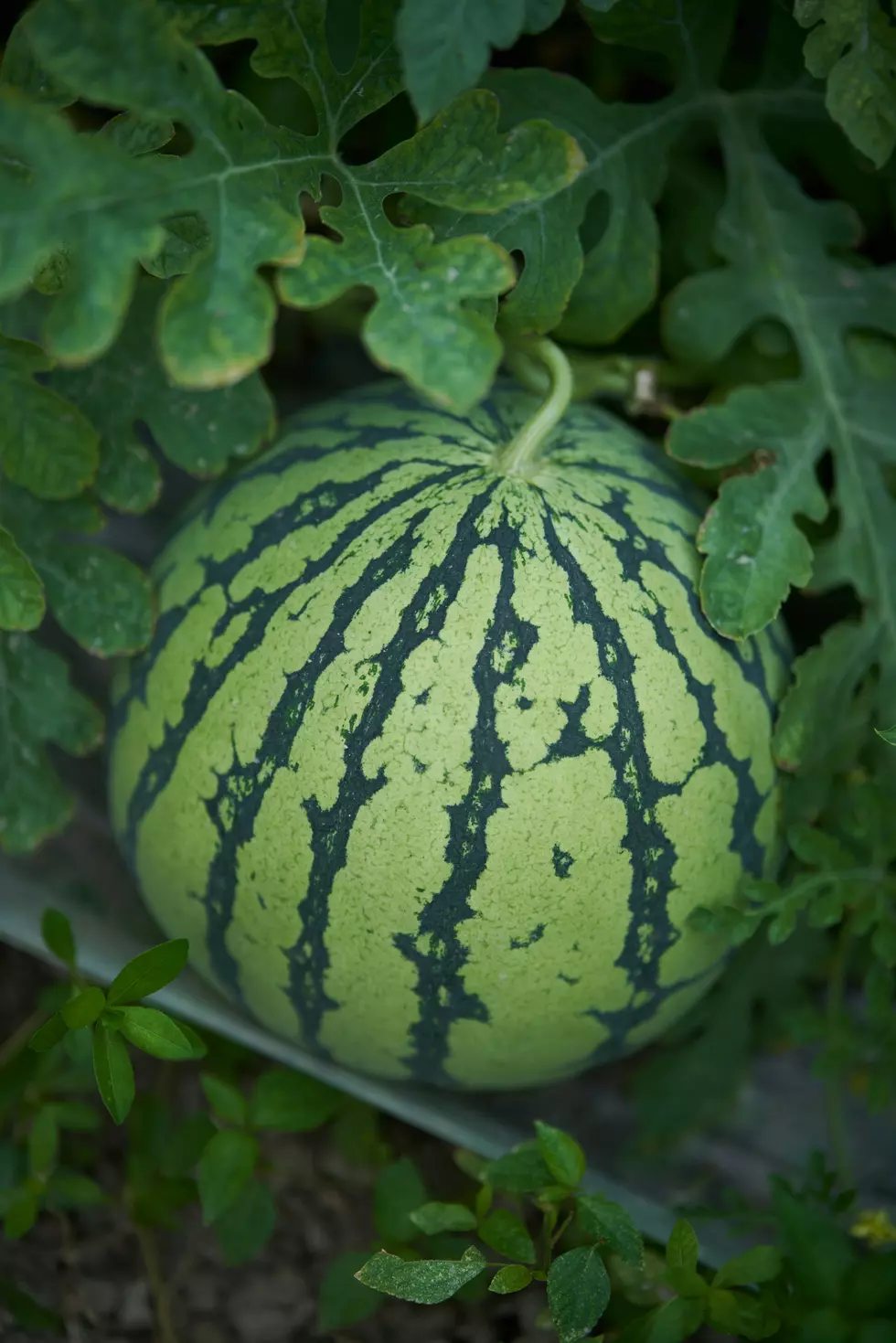
But here's the catch: there isn't much scientific research showing stripe width has a direct relationship with sweetness or ripeness. Different watermelon varieties naturally have different stripe patterns, so it's hard to use this as a universal rule. If you find a melon that checks every other box on this list and has two-finger stripes, great. Just don't let stripe spacing be the main basis for your fruit selection.
5. The Thump Test
We've all seen it. I've done it. And it's usually hit (lol) or miss. Someone walks up to a watermelon display, knocks on three or four melons like they're checking if anyone's home, nods thoughtfully, and puts one in the cart. Believe it or not, there is some logic behind it. A ripe watermelon tends to produce a deeper, more hollow sound because it's packed with water. Underripe melons often sound higher-pitched, while overripe ones can sound dull and flat.
Now, unless you've thumped about 10,000 watermelons in your lifetime, you're mostly making an educated guess. Experienced growers can sometimes tell the difference, but the average grocery shopper is probably just entertaining nearby customers. Listen, if knocking on produce makes you feel like a fruit detective, I won't stop you.
4. Look for Webbing or Sugar Spots
Those rough, brown web-like scars on the outside aren't damage, they're actually a good sign. Many growers believe these marks come from heavy bee pollination. Better pollination generally means the fruit developed well and quickly, leading to micro-fissures in the rind. It often lends itself to a sweeter watermelon. If your watermelon is wearing a few "battle scars," it's a good thing. No, it doesn't guarantee perfection, but it's better to buy one with a little character than one that looks like it just rolled off the assembly line.
3. Check the Shape
Watermelons come in all sizes, but the best ones are usually nice and symmetrical. If one side is lumpy, oddly flattened, or has strange bulges, the fruit may not have developed evenly while growing. Round or oblong doesn't really matter, that mostly depends on the variety. You're simply looking for consistency in growth.
2. Pick It Up
This is one of my favorite tricks because it's so simple. Find two watermelons that are roughly the same size. Now pick them both up. The heavier one almost always has the advantage. More weight generally means more water, and more water usually means a juicier watermelon. It's basically the only time in life where being "heavy" is considered a compliment.
1. Find the Field Spot
If you only remember one thing from this article, make it this list item. My go to is to flip the watermelon over and look for what's called the field spot. That's the area where the melon rested on the ground while growing. You want that spot to be creamy yellow or buttery gold. A white or pale green field spot (depending on watermelon type) usually means the watermelon was harvested before it had enough time to fully ripen.
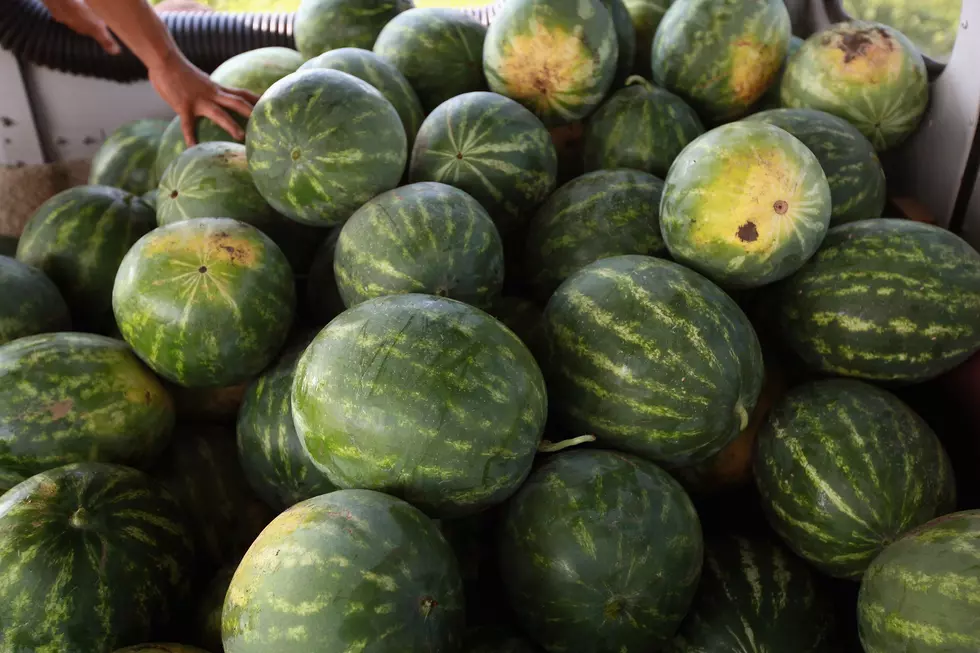
This is the indicator most growers, produce managers, and university agricultural experts agree on. It doesn't guarantee perfection, but it gives you the best odds of bringing home a sweet melon. While you're looking, the rind should also have a dull, matte finish instead of being shiny. Shiny usually means it needed a little more time on the vine.
Put the Clues Together
The truth is, there's no single magic trick. The best watermelon is usually the one that checks several boxes:
- A creamy yellow field spot.
- Heavy for its size.
- Symmetrical shape.
- A dull rind.
- Maybe even a little webbing.
- And if it has those famous two-finger stripes? Consider it a bonus.
No single clue tells the whole story, but together they can greatly improve your chances of bringing home the star of the picnic instead of the disappointment of dessert.
Recently my family picked out a watermelon while shopping. I had my eye on one particular melon, but I was overruled. That's life sometimes; you don't always get the watermelon you want. Sure enough, when I sliced it open at home, it was mushy, grainy, and definitely overripe. Fortunately, even a bad watermelon doesn't have to go to waste. Just toss the flesh into a blender, add a little sugar to taste, and freeze it. It makes an incredible frozen treat, and it's even better frozen into ice cubes for your next margarita adventure, or to chill a glass of wine on a hot summer evening without watering it down.
No matter what, even a bad melon can become something delicious. But with these tips in your back pocket, you'll have a much better chance of bringing home one that's great from the very first slice.
LOOK: 15 formerly popular foods in America that are rarely eaten today
Gallery Credit: Stacker
More From 94.1 KRNA


