
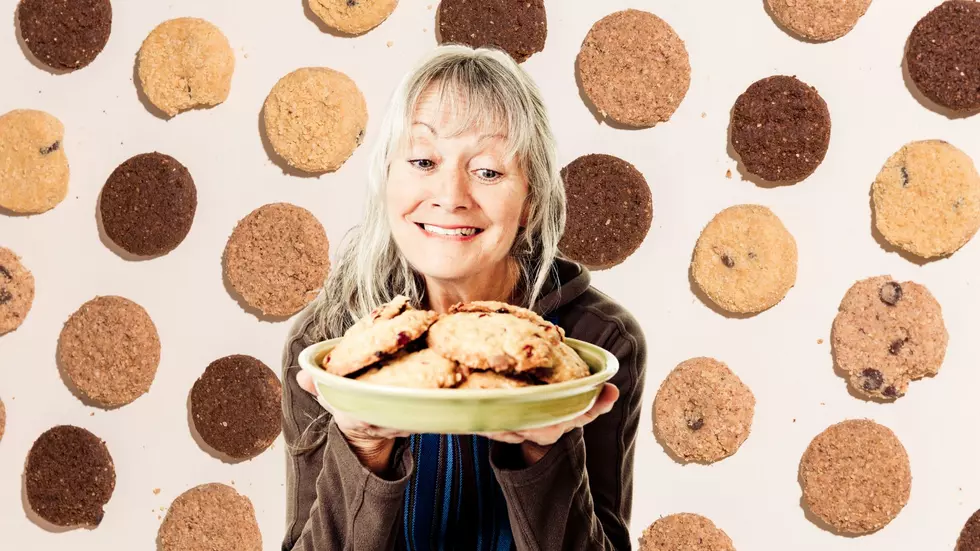
Iowa Cookie Lovers, Scientists Say This Is the Temperature You Should Try
Growing up in Iowa, I've had about a billion different types of cookies. They are what I would call the "go-to" dessert when it comes to ease, taste, and texture. Now, let me get this out there right away. No two cookies are ever the same, and I may have even had a bad one, or two, in my day.

When I was growing up, my mom's chocolate chip cookies were usually flat and a little crunchier. They were perfect for dipping in milk, which I did often while growing up on my family's farm outside of Monticello. My grandmas and aunts always made a variety of holiday cookies, with different flavors, textures, and levels of appeal. Today, my wife is quite the baker, and I've never had a cookie she's made that I didn't like. Currently at my house, some soft and chewy chocolate chip cookies are sitting in the kitchen, but probably not for much longer.
Anyway, all of this comes to mind after I saw a certain article that might help out those people in your life who are cookie deficient. That could mean a few things. Maybe they never bake them, or maybe they bake them and they taste terrible. I'm not here to judge your cookies, but I am here to provide a helping hand, and a recipe or two from my wife that are sure-fire wins.
Any who, scientists say they've found a temperature that may help you bake better cookies, and apparently it can make a pretty big difference in their shape, texture, moisture, and overall doneness. Who knew!? Apparently, the researchers at the University of Guelph in Ontario, Canada. They studied what actually happens to a cookie while it is baking. They weren't simply standing around eating them, although I certainly hope that was part of the test. Instead, they used carefully controlled batches of cookie dough and baked them at three different temperatures: 365 degrees, 401 degrees, and 437 degrees Fahrenheit.
The researchers baked the cookies for up to 12 minutes, checking them every two minutes. They looked at things like the cookie's size, shape, color, temperature, and moisture. Basically, they were trying to figure out exactly what happens to a cookie as it goes from a ball of dough to something you actually want to eat.
Here's where the cookie crumbles...
The cookies baked at 437 degrees changed very quickly. They spread rapidly and reached their widest point at around four minutes. After that, they began to shrink as they lost moisture and started to firm up. That might be good news if you like a crispier cookie, but there is also a chance you could end up drying things out too much.
View this post on Instagram
At 365 degrees, things happened much more slowly. The cookies continued spreading throughout the baking period, and they retained more moisture. The problem is that, under the conditions of this particular study, they did not dry out enough to reach the researchers' desired level of doneness within the same amount of time. That leaves us with 401 degrees. According to the researchers, 401 degrees Fahrenheit appeared to provide a nice middle ground. The cookies reached their widest point around six minutes into the bake before tightening up later. They also retained more moisture than the cookies baked at 437 degrees, while still developing enough structure and doneness.
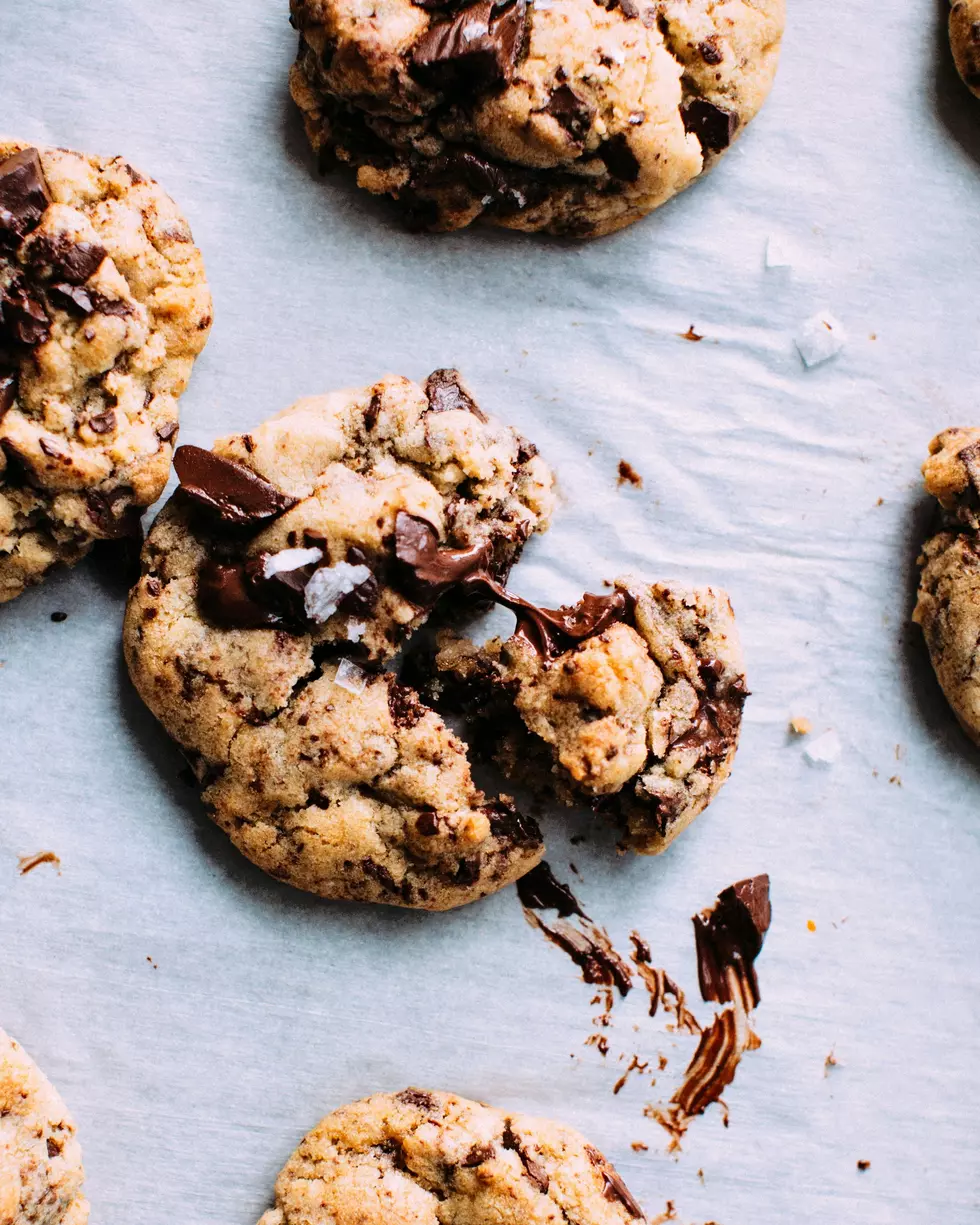
Now, before you go cranking your oven up to 401 degrees and blaming me if something goes wrong, there is an important detail here. The researchers weren't saying that 401 degrees is the one perfect temperature for every cookie ever made. Different recipes call for different temperatures, and people have very different ideas about what makes a cookie perfect. In fact, this research may have just been a colossal waste of money; by the way who funded this research? I would have done it for free...
Some of us like them soft and chewy. Others want them thin and crispy. Some want a cookie that practically requires a glass of milk, while others are perfectly happy with something that has a little more crunch. The bigger takeaway is that temperature really does matter. Early in the baking process, temperature plays a major role in how much a cookie spreads. Later, moisture becomes increasingly important as water evaporates from the dough. That changing balance helps determine the cookie's final shape and texture.
So, the next time you pull a disappointing batch of cookies out of the oven, maybe don't immediately blame yourself. There is some serious science happening in that little ball of dough. And if you're wondering what to do with this information, I'd say start with your favorite cookie recipe, or one above, and pay attention to the temperature. If it calls for something around 400 degrees, you may already be closer to the cookie sweet spot than you realized.
As for me, I'm going to stick with the cookies currently sitting in my kitchen. My wife made them, they're soft and chewy, and based on the evidence I've gathered through extensive personal research, they're pretty darn good. Of course, I may have to conduct another study later. You know, just to make sure; for science!
KEEP READING: 3-ingredient recipes you can make right now
LOOK: 15 formerly popular foods in America that are rarely eaten today
Gallery Credit: Stacker
More From 94.1 KRNA


